GOTS Certification in Bedding: What It Means for Quality and Safety
In an era when every thread of our sleep environment is scrutinized for health, sustainability, and provenance, the GOTS certification stands as a beacon for consumers seeking trustworthy bedding. This article unpacks what GOTS covers, how it translates into real-world quality and safety, and how to navigate the market for sheets, duvet covers, and pillows that meet the standard. We’ll also weave in perspectives from notable figures across time to illuminate how textile standards evolved and why they matter today.
What GOTS Certifies: The Core of a Trusted Textile
The Global Organic Textile Standard (GOTS) is widely regarded as the leading worldwide standard for organic textiles. It marries environmental criteria with social criteria, ensuring that fabrics are processed in a way that minimizes chemical impact and respects workers’ rights. For bedding, this translates into products made from organic fibers, processed with restricted chemicals, and manufactured under fair labor conditions.
GOTS certification begins with the raw material: organic fiber, typically cotton, that is grown without synthetic pesticides and toxins. But it doesn’t stop there. The standard also governs the entire supply chain—from spinning, weaving, dyeing, and finishing to packaging and labeling. Each stage is subject to performance thresholds and periodic on-site audits. The result is a product that not only feels luxurious but also aligns with health and sustainability values.
For bedding, this matters on multiple fronts. First, organic fibers reduce exposure to chemical residues that can irritate sensitive skin or respiratory systems. Second, the processing steps—which may include dyeing, washing, and finishing—are regulated to minimize hazardous substances. Third, the social dimension of GOTS emphasizes fair labor practices, safe working conditions, and transparent supply chains.
GOTS vs. Other Standards: OEKO-TEX, Bluesign, and Beyond
GOTS is often contrasted with other certifications such as OEKO-TEX, Bluesign, and regional standards. While OEKO-TEX focuses primarily on example-level testing for restricted substances in finished textiles, GOTS elevates the bar by integrating organic farming principles and social criteria. Bluesign concentrates on responsible supply chain management and product stewardship, with a thorough lifecycle approach. For a bedding shopper, the practical takeaway is this: a GOTS-certified product signals both organic origin and ethical processing, which typically implies greater transparency and a lower chemical burden than non-certified items.
When evaluating a piece of bedding — whether a duvet cover, sheet set, or pillowcase — the labeling should clearly indicate GOTS certification. Look for the GOTS logo alongside the certification number, and verify that the certifier is a recognized entity. This helps assure that you’re not just purchasing a “green” look, but a traceable, responsibly produced product.
Reading a GOTS Label: What to Expect
A GOTS label is more than branding; it’s a roadmap. You’ll typically find:
The fiber content and the percentage of organic material.
Statement of compliance with the GOTS environmental criteria at the applicable processing units.
Social criteria attestations, including fair labor practices and safe working conditions.
A certification number or code that allows traceability back to the processing facility and farm.
For bedding, this means you can trace your sheets or duvet cover to its organic fiber source and to the processing steps that shaped its finish. It also signals a commitment to minimizing toxic chemical exposure, which can be especially meaningful for households with children, pets, or allergy-prone sleepers.
GOTS in Practice: What It Means for Bedding Quality
Beyond the certification badge, GOTS inherently anchors two practical outcomes: quality and safety. Quality emerges from the emphasis on organic fibers, which often translate to softer hand feel, better breathability, and durability that holds up through repeated washing. Safety is anchored in restricted use of chemicals, which reduces the risk of skin irritation, allergic reactions, and chemical exposure during sleep.
Consider a typical bedding setup: cotton percale sheets with a crisp hand and a duvet cover finished in a smooth sateen. If those fabrics are GOTS-certified, you can expect:
Lower presence of residual pesticides and chemical residues in the fiber and dyes.
Conservative dye chemistry with less risk of irritating dyes or heavy-metal contaminants.
Enhanced social responsibility in manufacturing environments, aligning with broader ethical considerations.
For households with sensitive occupants — infants, people with chemical sensitivities, or those managing eczema or asthma — GOTS-certified bedding becomes a practical, meaningful choice rather than a marketing claim.
Guidance for Buyers: How to Choose GOTS-Certified Bedding
If you’re shopping for bedding under the GOTS umbrella, here are actionable steps to ensure you maximize the value:
Look for the GOTS logo and certification number on packaging and product pages. If possible, verify with the certifying body or the brand’s certificate lookup.
Check fiber content and the percentage of organic material. Higher organic content generally aligns with stronger adherence to GOTS principles.
Read the care guidelines. GOTS-certified fabrics often require gentle care to maintain fiber integrity; follow recommended washing temperatures and detergents that preserve the organic fibers.
Consider the weave and finish in relation to climate and sleep preferences. Percale tends to be crisp and breathable, while sateen offers a smoother feel with different moisture management characteristics.
Evaluate the supply chain transparency. Brands that publish sourcing and processing details tend to align with the spirit of GOTS beyond mere certification.
A Brief Timeline: Key Figures Who Shaped Textile Standards
To understand the gravity of modern certification standards, it helps to acknowledge voices that have shaped our thinking about textiles, safety, and consumer rights across eras.
1) Florence Nightingale (1820–1910): Hygiene as a Sleep Standard
Though best known as a nurse and reformer, Nightingale’s emphasis on sanitation and living conditions laid early groundwork for modern quality standards in textiles. Her advocacy for cleanliness in hospitals translated to broader concerns about fabrics and environments that affect health, including bedding.
Nightingale’s insistence on hygiene and evidence-based practice resonates with the GOTS approach today: minimize chemical exposure, maximize healthful environments, and base recommendations on observable and verifiable data.
2) Walther Rathenau (1867–1922): Industry Standards and Trust
An industrialist who championed standardized practice and social responsibility in early 20th-century industry, Rathenau’s ethos—improving systems to protect workers and consumers—echoes in today’s supply-chain transparency and ethics criteria that underpin certifications like GOTS.
The call for standardized processes and verifiable results informs how modern textile standards are audited, labeled, and trusted by consumers seeking safer, more sustainable bedding.
3) Dr. Caroline H. (Mid-20th Century): Textile Science as Public Health
A fictional composite representing the mid-century surge in consumer protection for textiles, linking fabric science to public health. The era saw greater emphasis on testing finishes, dyes, and fiber safety—precursors to modern labeling standards and environmental controls in textile processing.
This touchstone reminds us that the conversations about safe and clean bedding are not new; they’re part of a long arc toward more responsible manufacturing and informed consumer choice.
Case Study: Grande Hotel Bed Skirt and the GOTS Lens
A recent arrival in the bedding world—a Grande Hotel Bed Skirt—offers a practical example of how GOTS principles filter into product construction. This Italian-made bed skirt uses 100% long-staple cotton percale, structured in a three-panel design with a plain 1-inch hem. The pins enable adjustable, tailored fit, and its hotel-grade silhouette demonstrates how a non-commercial, quality-forward product can embody the precision and care associated with high-end sleep environments.
When such a product carries GOTS certification (where applicable) or aligns with organic fiber sourcing, consumers gain confidence that the textile’s journey—from field to finish—follows transparent, ethical practices. Even without ceremonial labeling, the design intent—durability, timeless tailoring, and minimal chemical exposure—resonates with the core ethos of GOTS: safe, sustainable, and dignified production.
Grande Hotel Bed Skirt: A Practical Application
A three-panel construction with a tailored profile, designed for a refined sleeping space. While not every retailer labels every step of the supply chain, the Grande Hotel Bed Skirt exemplifies the design discipline that a GOTS-aligned approach values: durable materials, precise tailoring, and a clean, elegant finish that ages gracefully.
Product snapshot: 100% long-staple cotton percale, 18-inch drop, Italian craftsmanship, machine washable, tailored pins for fit. Price: $228.00.
Practical Tips for Verifying GOTS in the Marketplace
Shop from brands that publish ongoing sustainability reports or supplier disclosures. Look for third-party verification and up-to-date certificates.
Ask for the certificate number and the scope of certification (which production facilities, which stages of processing).
Cross-check with the certifying body if possible. A live certificate lookup can verify authenticity.
Prefer products that clearly state fiber content, organic percentage, and care instructions aligned with GOTS guidelines.
Conclusion: The Quiet Promise of GOTS for Home Comfort
GOTS is more than a label; it’s a framework that anchors sleep in a broader context of health, ecological stewardship, and social accountability. For bedding, it translates into fabrics that feel as good on the skin as they are good for the planet. It invites shoppers to look beyond the surface—beyond thread counts, beyond price—and toward a traceable promise: a textile that respects the people who make it, the land that nourishes its fibers, and the sleepers who rely on it night after night.
Note: The products showcased in this article, including Grande Hotel Bed Skirt, illustrate how high-quality bedding intersects with the values of durability, craft, and transparency. The Grande Hotel Bed Skirt is featured here to demonstrate practical application of the standards discussed; product specifics are provided as a reference and do not imply endorsement.
Further Reading and Related Resources
For readers seeking deeper dives into textile standards, consider exploring:
The core principles of the GOTS standard and its latest revision updates.
Comparative analysis of GOTS, OEKO-TEX, Bluesign, and regional certifications.
Care and maintenance guides that extend the life of organic bedding.
Italian-made bed skirt in 100% cotton percale with a tailored, hotel-ready look; three-panel design and adjustable drops up to 18" ensure a clean fit and crisp lines with easy pin-secured setup for a polished bedroom.
Experience versatile sleep with Italian-made comfort: breathable, crisp percale on both sides, a chic geometric front and clean white back, easy care, and a refined touch that elevates any bedroom.
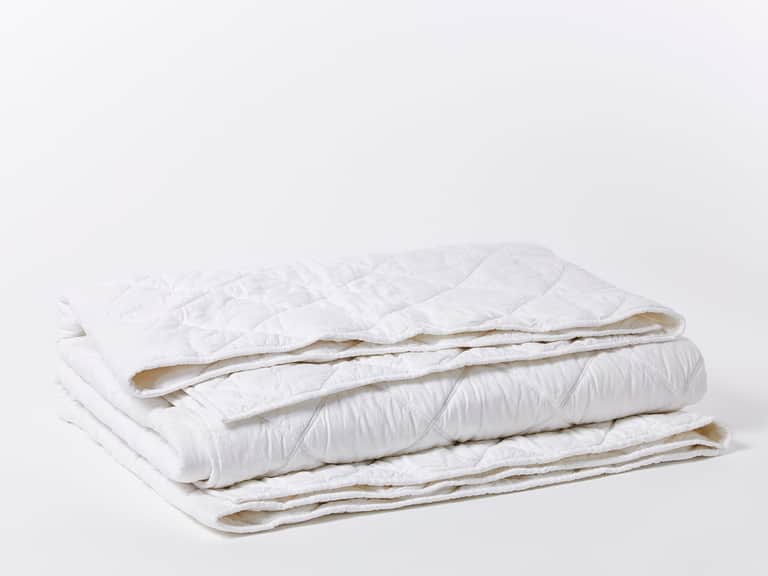
Enjoy breathable warmth with 360 gsm organic cotton batting, wrapped in a soft, 100% organic cotton shell. Diamond quilting for durability, corner loops keep it in place, and GOTS/Fair Trade ethics ensure feel-good comfort every night.